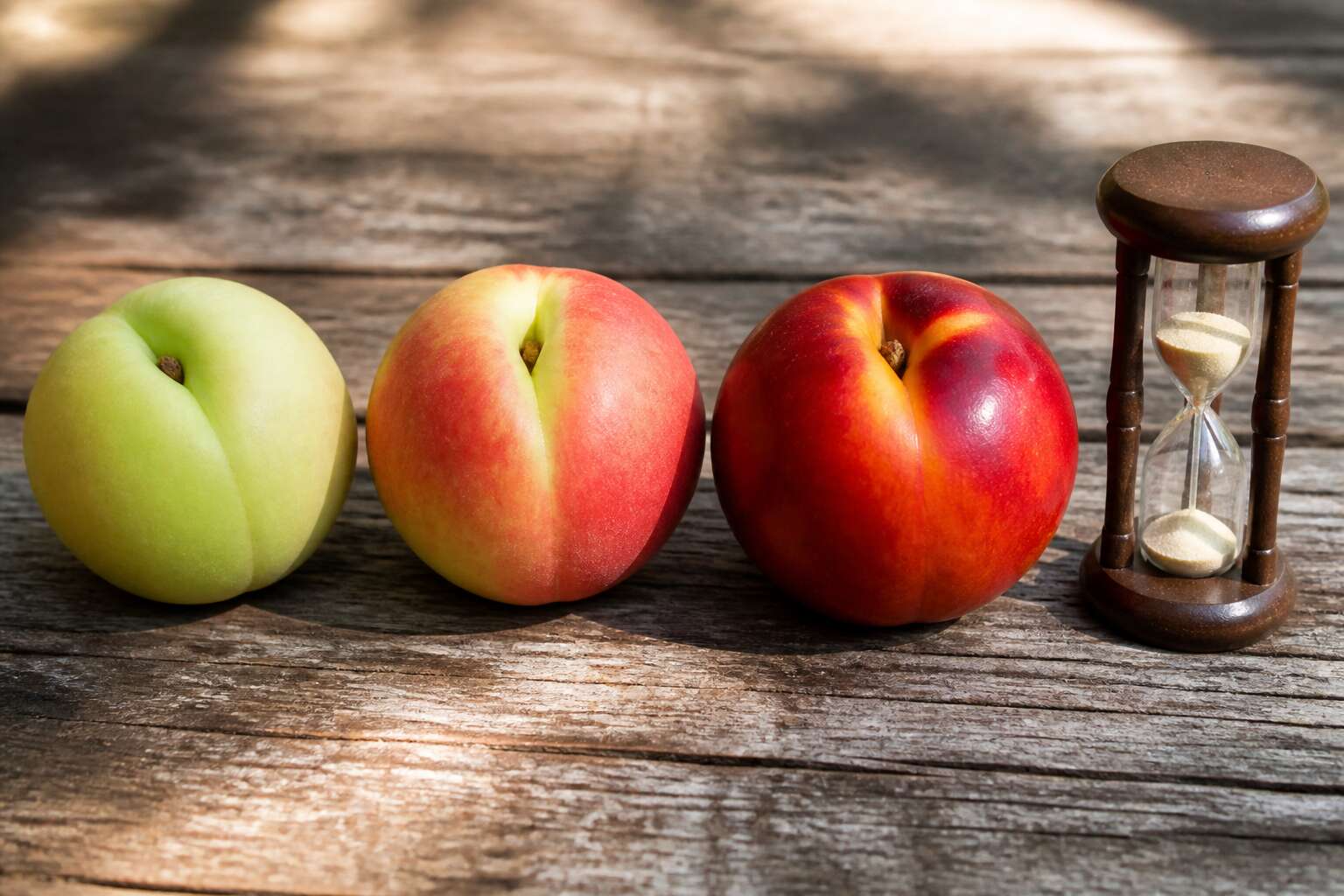
Understanding Nectarine Ripening Basics
The first bite of a nectarine is a moment of pure optimism. You anticipate that perfect balance of sweetness and tang, the flesh yielding just enough to release a burst of summer juice. However, that moment often hinges on timing, a delicate dance between the orchard and your fruit bowl. It is a pursuit of patience, and understanding the process is the key to unlocking that perfect flavour.
When you bring these stone fruits home from a local market or a shop in Johannesburg or Cape Town, they rarely arrive ready for immediate enjoyment. The journey from tree to table involves a period of post-harvest maturation. This is where your careful attention becomes crucial, as you seek to influence the outcome. The process is straightforward once you understand the signs.
The question on everyone’s mind is often simply how long do nectarines take to ripen. The answer depends on the fruit’s starting point and your preferred level of sweetness. A fruit that was picked slightly under-ripe might need several days on your kitchen counter, while one that is already fragrant could be ready within a single day.
Here are a few factors that will guide you:
– The fruit’s firmness, which is your primary indicator of readiness.
– The amount of ambient heat in your kitchen, as warmer spots accelerate the process.
– The use of a paper bag, which traps the natural ethylene gas and speeds things up considerably.
Check the stem end of the fruit; a gentle pressure there is the best test. If it yields slightly, your wait is nearly over. You want to avoid the rock-hard specimens and also those that have become overly soft, as both extremes offer a less than satisfying experience. With a little attention, you will soon enjoy the perfect result, a testament to nature’s simple timing.
Typical Nectarine Ripening Durations
Depending on the cultivar, a nectarine will take roughly 100 to 120 days from full bloom to harvest. That is the tree’s answer. But ask how long do nectarines take to ripen on your kitchen counter, and the figure changes to just two or three days. It tests patience, yet it is forgiving.
The fruit is climacteric, meaning it continues to produce ethylene gas after picking. That is why a firm nectarine from a Johannesburg greengrocer will soften overnight. The real skill is knowing when to intervene. For the home grower in the Western Cape, consider these stages:
- First, watch for a creamy background colour beneath the red blush.
- Second, a gentle press near the stem should yield slightly.
- Third, the fruit should have a sweet fragrance radiating from the stem end.
Humidity plays a role. On the Highveld, dry air can slow the process, so you might wait four days. Near the coast, that same nectarine would peak in two. So, when a neighbour boasts about their tree, remember that the answer to how long do nectarines take to ripen depends on where you stand in this country.
I have seen shoppers squeeze every nectarine in the bin, hunting for that perfect softness. They are chasing a window that lasts only a few hours. The trick is to buy them slightly firm and let the ripening happen on your shelf. That control, that small act of domestic timing, is far more satisfying than leaving it to chance.
Key Factors That Influence Ripening Speed
The answer to how long do nectarines take to ripen depends less on the calendar and more on the conditions around the fruit. Temperature matters more than almost anything else. A warm kitchen counter can soften a nectarine in two days, while a cool pantry might stretch that to five or six.
Humidity also plays a role. Dry air pulls moisture from the skin, leaving fruit mealy before it ever reaches full sweetness. Store nectarines in a breathable bag to hold some moisture without trapping ethylene gas. Here are the main factors that shift the timeline:
- Ambient temperature between 18°C and 24°C speeds things up
- Airflow around the fruit prevents uneven softening
- Ethylene exposure from apples or bananas accelerates ripening
Check the fruit daily, because the difference between ripe and overripe is often just a few hours.
How to Accelerate or Delay Ripening
Once a nectarine leaves the tree during the South African stone fruit season, the clock starts ticking on a timeline you can manipulate. The question of how long do nectarines take to ripen becomes a variable you control. At room temperature, a hard fruit softens within two to three days, but that window responds to the conditions around it.
To accelerate the process, try this approach:
- Place the nectarines in a paper bag with a ripe banana
- Keep the fruit in a single layer to avoid bruising
- Check each piece daily, since softening happens quickly
The ethylene gas released by the banana works as a natural ripening trigger. Keep the bag in a warm spot away from direct sunlight.
Slowing things down is equally straightforward. Refrigeration effectively pauses the ripening process, buying you several extra days. A cold nectarine loses much of its aroma though, so let it warm up before eating.
Recognizing Perfect Ripeness in Nectarines
There is a moment when a nectarine transitions from a firm promise to a succulent reality. The shift is subtle, but your senses will catch it if you pay attention. The background green of the skin gives way to a deeper, richer blush. The fruit yields to gentle thumb pressure near the stem, not with a soft mushiness, but with a responsive give. This is the peak of ripeness, a window that lasts only a day or two.
To answer how long do nectarines take to ripen, you must first understand the difference between picking and maturing. A nectarine picked early can take three to five days on your counter to reach this state. The process is not uniform, so I rely on a few tactile and olfactory checks.
- Smell the stem end. A fragrant, sweet aroma indicates the sugars have developed.
- Check the ground color. It should be a warm cream or gold, not a pale green.
- Feel the weight. A ripe nectarine feels heavy for its size, full of juice.
Once you have mastered these signs, the wait becomes part of the pleasure. The flesh should be firm enough to hold its shape, yet soft enough to yield to a knife. A hard nectarine will taste of starch and disappointment. A bruised one has already passed its best. The sweet spot between these two extremes is where the true flavour lives.



0 Comments