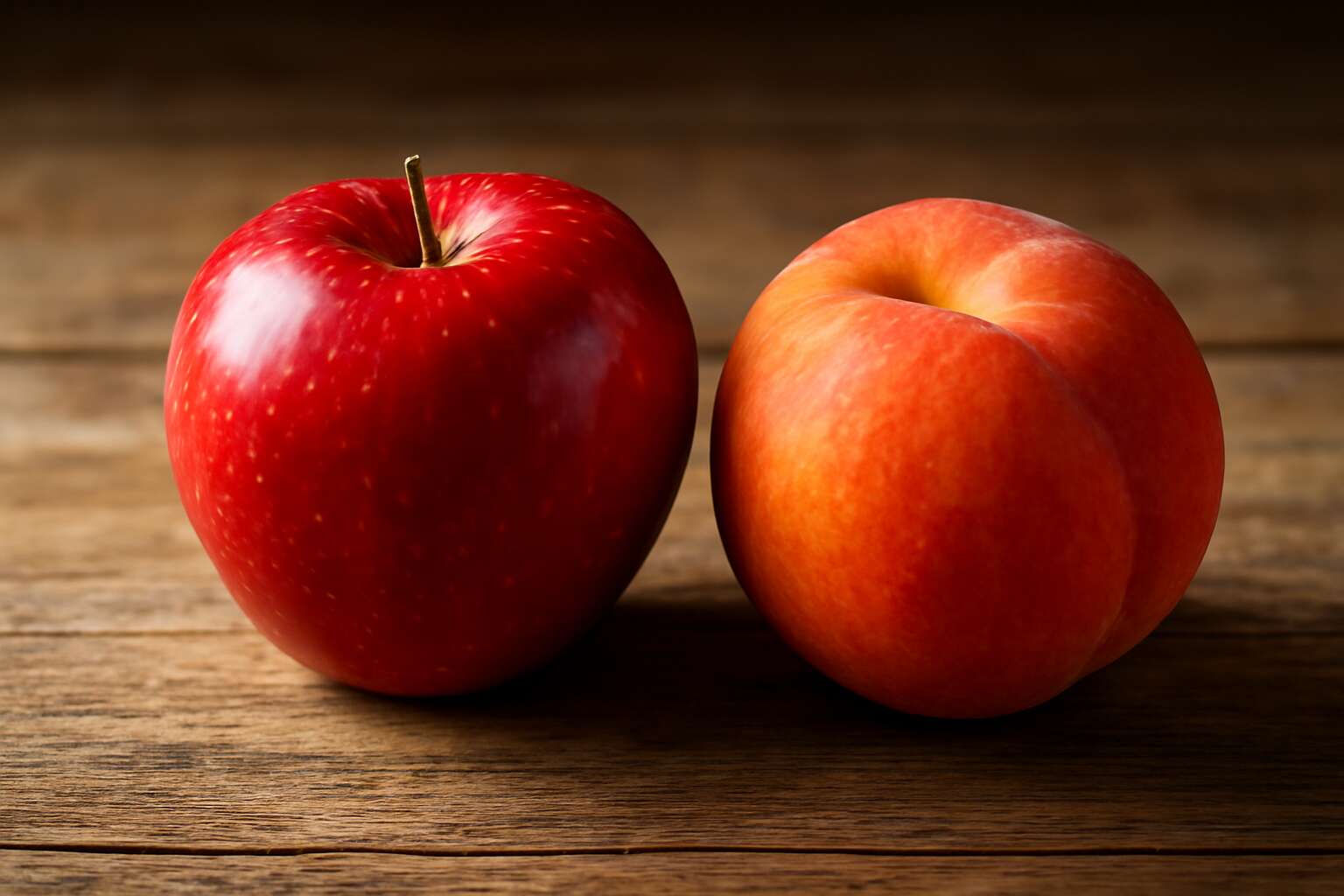
Fruit Comparison Overview
Flavor and Culinary Profile
In sunlit markets from Cape Town to Bloemfontein, the nectarines vs apples conversation hints at two seasons in one bite. A grocer whispered, “the bite reveals the truth,” and the truth is this: nectarines offer a sun-warmed peach glow and floral sweetness, while apples deliver a crisp chorus with dependable acidity. South Africa tastes the moment when nectarines peak, and apples stand ready for everyday balance!
Flavor and aroma do the talking. Nectarines bring lush perfume and a caramelized sweetness that lingers, even over a braai. Apples carry bright acidity with a crisp snap, their texture varying by variety. In the nectarines vs apples dialogue, the former shines warm in tarts; the latter keeps salads crisp and honest.
Here are culinary profile touchpoints that echo that crossroad:
- Fresh fruit salads with citrus
- Grilled nectarines with honey glaze
- Apple slaw for crunch
- Chutneys heightening natural sugars
Nutrition and Health
Fruit is social currency in South Africa’s markets, and the nectarines vs apples debate reads like two seasons in one bite. A seasoned grocer murmurs, “the bite reveals the truth,” and the truth is this: each choice signals a health cue as much as a flavor note.
Nutrition and health profiles diverge in telling ways. Apples offer robust fiber and polyphenols that support digestion and steady energy, while nectarines bring vitamin A precursors and potassium that aid vision and electrolyte balance. Both contribute vitamin C and hydration with minimal calories, yet their differences influence everyday choices around satiety and heart-friendly eating in a South African context.
- Fiber content and satiety with skin on
- Vitamin and mineral contributions (C, A precursors, potassium)
- Antioxidant profiles and digestive comfort
- Hydration and calorie density for meal planning
Seasonality and Sourcing
In South Africa’s bustling markets, fruit turnover climbs by about 18% at peak season, and the nectarines vs apples debate plays out on the stalls as shelves tilt with sunlit promise.
Nectarines arrive with the heat of late summer, often sourced from the Cape’s sun-soaked orchards and nearby Limpopo belt, while apples maintain a steadier rhythm, pulled from Western Cape stores and other key farming regions to ensure supply across months.
Seasonality and sourcing unfold in a few clear notes:
- Local pride vs imports shapes availability
- Harvest windows vary by climate and variety
- Retailers lean on regional partnerships for freshness
The stage is set for discerning shoppers to pick based on season, provenance, and personal palate—nectarines vs apples under South Africa’s sun.
Selection, Storage, and Shelf Life
In South Africa’s bustling markets, peak-season turnover climbs about 18%, and the choice between nectarines vs apples becomes a tactile conversation as sunlit baskets tilt with promise.
When selecting for immediate use, nectarines yield to a gentle press and exhale a perfume of late-summer sun; I feel the crisp, quiet resolve of apples, a steady cadence that travels across months.
Storage and shelf life reveal their temperaments: nectarines are ephemeral, happiest at room temperature until they blush soft; once ripe, they should be enjoyed soon (3–5 days). Apples are stouter guests, keeping well in cool places for 4–6 weeks, their firmness a quiet anchor.
- Nectarines: ripen at room temperature; after ripening, use within 3–5 days.
- Apples: durable; keep 4–6 weeks in cool storage; their ethylene production can influence nearby fruit.


0 Comments