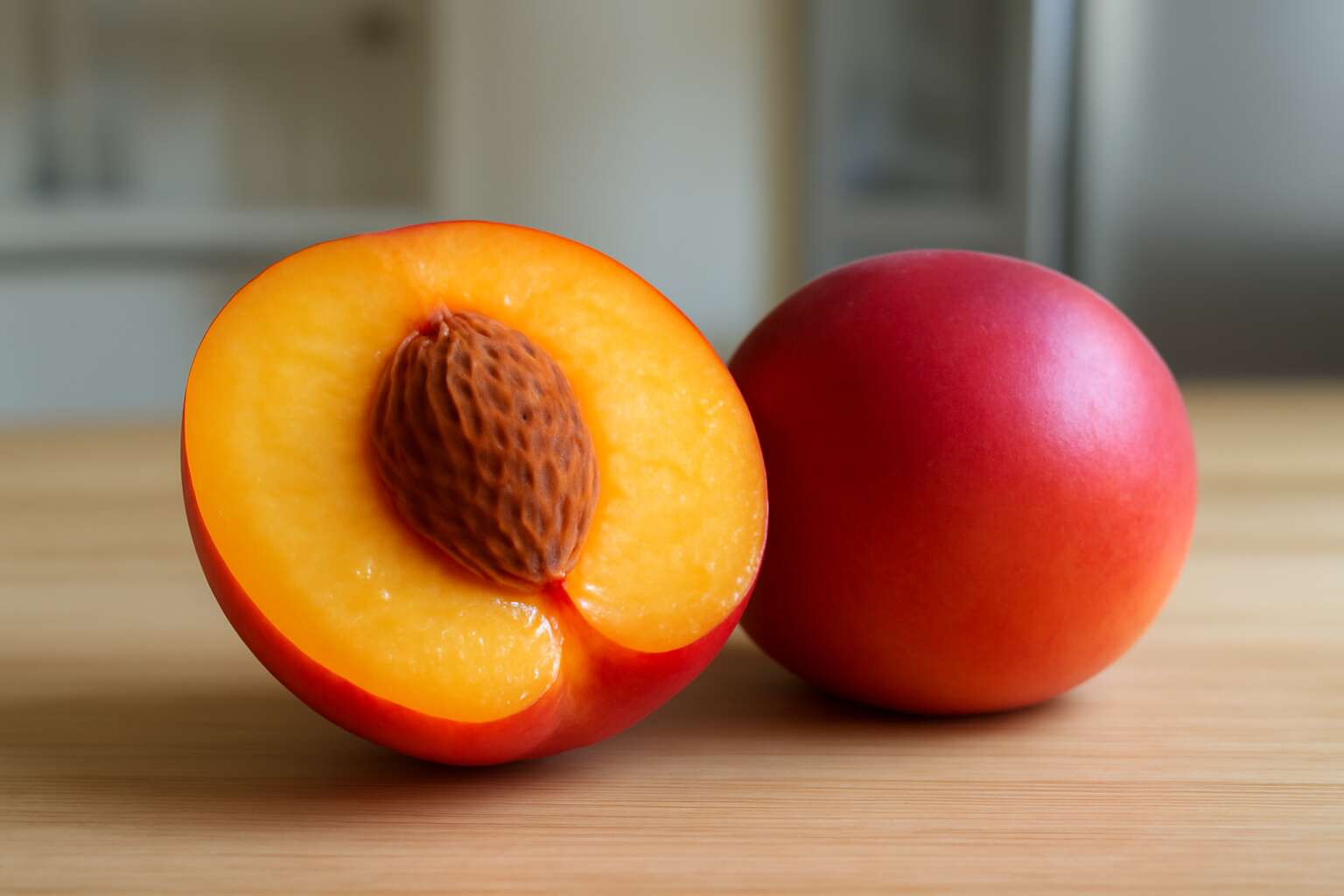
Nectarines and Refrigeration: An Overview
Choosing nectarines for fridge storage
Nectarines and Refrigeration: An Overview opens with a single, blunt question: can nectarines be refrigerated. In South Africa, where fruit is a daily rhythm, chilling can slow ripening and extend life, preserving juice and skin for a brief, shimmering window.
Choosing nectarines for fridge storage demands discernment; outcomes vary with ripeness and aroma, and cold storage is a quiet guardian that can preserve vitality for a short spell, while flavor may drift away with time.
In the end, the fridge behaves as a quiet stagehand: it preserves crisp sweetness while the kitchen hums with a tentative, almost supernatural glow that keeps a simple fruit alive longer.
Cooling temperatures and humidity for nectarines
The fridge door, that discreet stagehand of the kitchen, counts time in chill. can nectarines be refrigerated, you ask? The answer is a poised yes, tempered by ripeness and aroma. In South Africa’s warm rhythms, chilling slows the birth of a runaway sugar, preserving juice and skin for a brief, shimmering window.
Cooling temperatures and humidity for nectarines work together to slow metabolism and keep texture intact. The fruit leans toward patience when kept in a cool, stable environment, while humidity reduces moisture loss and shrivelling.
A few factors quietly influence the outcome:
- Lower temperature retards ripening and ethylene production
- High humidity reduces moisture loss and shrivelling
- Breathable packaging balances moisture and airflow
The fridge remains a modest stagehand, preserving crisp sweetness while the kitchen hums with a tentative, almost supernatural glow that keeps a simple fruit alive longer!
Ripeness stages and fridge timing
In the heat of a South African summer, can nectarines be refrigerated? Yes—and ripeness and aroma steer the journey. Cold slows sweetness and keeps the skin glossy, turning a stubborn fruit into a bright, lingering memory.
Ripeness stages and fridge timing are a quiet duet, shaping how the fruit presents itself when opened.
- Unripe: firm to the touch, pale green-yellow; refrigeration slows their march toward sweetness.
- Near-ripe: fragrant, yielding; the fridge locks in moisture and keeps skin taut.
- Ripe: aromatic and juicy; chilling preserves balance for a little longer.
In our kitchens, this balance is a humble ritual—honoring harvests, memory, and the quiet beauty of a nectarine at its peak.
When to refrigerate vs store at room temperature
Chill can transform a sun-warmed nectarine into a memory you savor long after summer. In South Africa’s heat, can nectarines be refrigerated? The answer lives in aroma, texture, and the gentle law of patience that curbs sweetness while preserving gloss.
Unripe nectarines will finish their journey in ambient warmth, letting sugars mature and skin soften; once they breathe their peak, refrigeration helps maintain that glow and aroma for a little longer.
- Unripe: matures in ambient warmth, sugars develop and the skin stays taut.
- Near-ripe: fragrance intensifies while moisture is preserved in cooler conditions.
- Ripe: aroma and juice linger longer under refrigeration, preserving balance.
In the South African kitchen, these cues—aroma, moisture, gloss—compose a subtle map of refrigeration versus ambient storage, guiding the moment when a nectarine reveals its truest self.
Best Practices for Refrigerating Nectarines
Refrigeration steps after selecting nectarines
Across South Africa’s kitchens, fruit waste costs households millions each year when nectarines slip from summer brightness into the cold abyss of neglect. For the lingering question can nectarines be refrigerated, the answer blooms in patient care: a cool, airy cradle keeps flavor vibrant longer.
Consider their resting place within your fridge: not shelved too tightly, not drowned in moisture. A breathable container or a lightly open bag invites air to circulate, while the crisper drawer guards humidity like a moth’s wing against decay.
Scan for softness and aroma rather than firmness alone, and use what you love before the first frost of memory fades. In this quiet ritual, nectarines remain poems of sun-warmth and sweetness—ready to answer the next bite with a bright, lingering chorus.
Packaging and separation to prevent flavor transfer
South Africa’s kitchens know a crisp peach truth: the fridge can be a friend, not a frenemy, to nectarines. can nectarines be refrigerated, and the answer blooms with patient packaging: a breathable cradle that lets air kiss the skin and keeps flavor from drifting into the shadows.
- Breathable packaging: perforated produce bags or shallow containers that allow air exchange.
- Separation: keep nectarines away from strong-smelling offenders like onions or garlic to prevent flavor transfer.
- Space and placement: avoid stacking and use the crisper drawer to minimize bruising and preserve aroma.
These best practices for refrigerating nectarines balance humidity, fragility, and scent, ensuring the fruit retains sun-kissed brightness while living peacefully beside the rest of your fridge’s cast of characters.
Using perforated bags or containers for airflow
South Africa’s kitchen truth is sparkling: six in ten fruit lovers admit nectarines vanish into the fridge, only to emerge half-sunned and disappointed. can nectarines be refrigerated? Yes, with a breathable cradle that treats their skin like a sunlit rumor and keeps aroma from drifting into the shadows.
Breathable packaging fuels flavor fidelity. Perforated bags or shallow containers invite air to mingle with the fruit’s perfume.
- Perforations encourage steady airflow without drying the fruit
- Shallow containers keep nectarines from being crushed by their boulder-sized siblings
- Smart packaging minimizes cross-fragrance drama in a busy fridge
In practice, the method unfolds as a quiet, airflow-friendly staging that respects humidity and fragility, letting nectarines glow beside other fridge cast members without fragrance drama.
Thawing and serving chilled nectarines
In South Africa, 62% of households say nectarines vanish in the fridge, only to reappear with less charm. can nectarines be refrigerated? Yes, when they rest in a breathable cradle that treats their skin like a sunlit rumor and keeps aroma from drifting into the shadows of the crisper.
Breathable packaging fuels flavor fidelity. Perforated bags or shallow containers invite air to mingle with the fruit’s perfume.
- Airflow that sustains texture without drying
- Space to prevent boulder-sized fruit from crushing nearby neighbors
- Placement that minimizes cross-fragrance drama in a crowded fridge
When the moment calls to thaw and serve chilled nectarines, choose a quiet, gradual transition from fridge to table to preserve fragrance and mouthfeel. Readers continue to ask can nectarines be refrigerated—yet the best practice is mindful storage and gentle handling.
Storage Time, Quality, and Safety
How long nectarines stay fresh in the fridge
Flavor fades faster than you think. Some ask, can nectarines be refrigerated, and the answer depends on ripeness. In a fridge that preserves firmness, whole nectarines stay fresh for about 3 to 5 days; once sliced, 1 to 2 days is the limit. The key is keeping them dry and away from ripening heat.
Quality matters as much as time. Look for fruit with a faint aroma and a whisper of give—too soft signals overripening in the cold. Refrigeration slows ripening but doesn’t halt it; plan to eat within the window while the fruit remains bright and sweet.
Safety: maintain fridge at 1°C to 4°C; store nectarines unwashed and only rinse before use; discard any that show mold or off smells. In South Africa’s homes, fluctuations are common, so keep the fruit away from strong-smelling items to avoid flavor transfer.
Signs of spoilage and when to discard
Storage Time: A cool fact travels faster than heat—readers often discover can nectarines be refrigerated, and the answer hinges on ripeness and dryness. In the fridge, firm, dry fruit holds character longer, while overripe or damp specimens fade in cool air.
Quality: A good nectarine carries a faint aroma and a gentle give, a sign of balance between sweetness and texture. Keep moisture in check and choose fruit with smooth skin intact; the right fruit remains bright and flavorful when chilled.
- faint aroma
- gentle yield when pressed
- skin free of bruises
Safety Signs of spoilage and when to discard: Watch for mold, off odor, or a slimy surface; discard any nectarine showing these signs. In South Africa, variable fridge temperatures can accelerate decay, so timing should align with local storage conditions.
Effects of refrigeration on texture and flavor
Storage Time: A single degree can stretch freshness—firm, dry nectarines stay vibrant longer in a steady 1–4°C. The answer to can nectarines be refrigerated hinges on dryness; damp fruit fades in cool air, especially in warm South African kitchens.
Quality stays high when the fruit balances aroma and firmness; chilling slows dehydration and preserves a bright sweetness inside. A nectarine should feel substantial yet yield slightly—proof of a well-tuned bite when you crack into it after refrigeration.
- Temperature stability subtly preserves texture and aroma
- Airflow influences moisture and prevents sogginess
- Nearby strong flavors can tint the fruit’s profile
Safety: Watch for mold, off odor, or a slimy surface; discard any nectarine showing these signs. In South Africa, fridge temperatures can swing, so local conditions should guide timing and consumption.
Differences between ripe and unripe nectarines in storage
Storage Time: In South Africa, around 60% of households keep fruit in the fridge during peak nectarine season, and the cold reality is that ripening slows to a crawl. can nectarines be refrigerated? Unripe fruit gains 1–2 extra days in the fridge; once ripe, use within 2–4 days.
Quality Matters: chilling slows dehydration but too-dry air dulls aroma; warm, nearby flavors can mingle. Ripe nectarines remain firmer for a while but sooner soften; unripe nectarines stay firmer yet finish ripening gently. The balance of aroma and firmness drives peak flavor after refrigeration.
Safety: Mold, off odor, or a slimy surface? Discard. In SA, fluctuating fridge temps can shift quality quickly; store separately from strong-smelling produce and consume within the safe window.
Tips, Tricks, and Common Mistakes
Avoiding over-chilling and chill injury
Chill injury is the quiet thief of flavor, a warning whispered from the fruit bowl to the dinner table. Reader question: can nectarines be refrigerated? The answer depends on timing, temperature, and the moment you invite them into the cold. For South African kitchens chasing sweetness without bitterness, thoughtful handling matters more than fortune.
Here are the softer guidelines that honor fruit and memory:
- A balance between warmth and cold preserves aroma and prevents chill injury.
- Airflow and gentle handling prevent moisture buildup and bruising.
- Steady fridge temperatures and separation from strong odors protect texture and flavor.
Its texture sighs under frost, yet with restraint it becomes a jewel on the tongue—bright, unapologetic, and unmistakably sun-kissed. I’ve learned to trust patience in the fruit’s story, and the payoff is a nectar of summer that travels with grace.
Preventing aroma transfer with other foods
You’re asking can nectarines be refrigerated, and the answer is a careful yes. South African kitchens chase sweetness without bitterness, and they ride best when given a moment of warmth before the chill, then a measured, airy cool. Fridge time should be brief and attentive, never a hostage to hurry.
- Use breathable containers or perforated bags to allow airflow.
- Keep nectarines away from onions, garlic, or other strong-smelling foods to prevent aroma transfer.
- For best aroma retention, store separate from vibrant fruits with high volatile oils.
A steady, gentle cool, not a freezing blast, protects their texture and aroma. In practice, place them away from the fridge door, resist stacking, and let a light breeze of air keep them honest.
Using refrigerated nectarines in recipes and meals
“Sweetness remembers the cold,” a Cape Town grocer whispered. can nectarines be refrigerated and still keep their sunlit perfume? In South African kitchens, chill becomes a patient ritual, a quiet duel of frost and flame where memory lingers on the fruit’s rind.
From the fridge, nectarines brighten salads, yogurts, and grilled fare under a pale kitchen light. Allow them a moment at room temperature to rekindle aroma before pairing with dairy or citrus—that gentle pause is the difference between absence and whispering sweetness.
- Flavor balance matters; refrigeration enhances brightness but can mute subtler notes if overwhelmed by acidity.
- Texture shifts; some nectarine varieties respond differently to cold, and slicing at serving preserves juiciness.
- Prolonged chilling can dim brightness; best when used within a short window after refrigeration.
When to bring nectarines to room temperature before serving
Can nectarines be refrigerated? Yes, but timing is everything. “Sweetness remembers the cold,” a Cape Town grocer whispered, and the idea sticks: chill preserves brightness, but aroma needs warmth. For South African kitchens, room temperature is the moment nectarines bloom.
Tips for bringing nectarines to room temperature before serving:
- Set ripe fruit on the bench 15–30 minutes before plating.
- Check aroma: if it whispers, it’s ready.
- Avoid exposing to direct sun or warm stovetops.
Common mistakes? Leaving nectarines in the fridge too long after bringing to room temp dulls aroma. Don’t rush to serve; a short, open-air rest helps the perfume re-emerge.




0 Comments