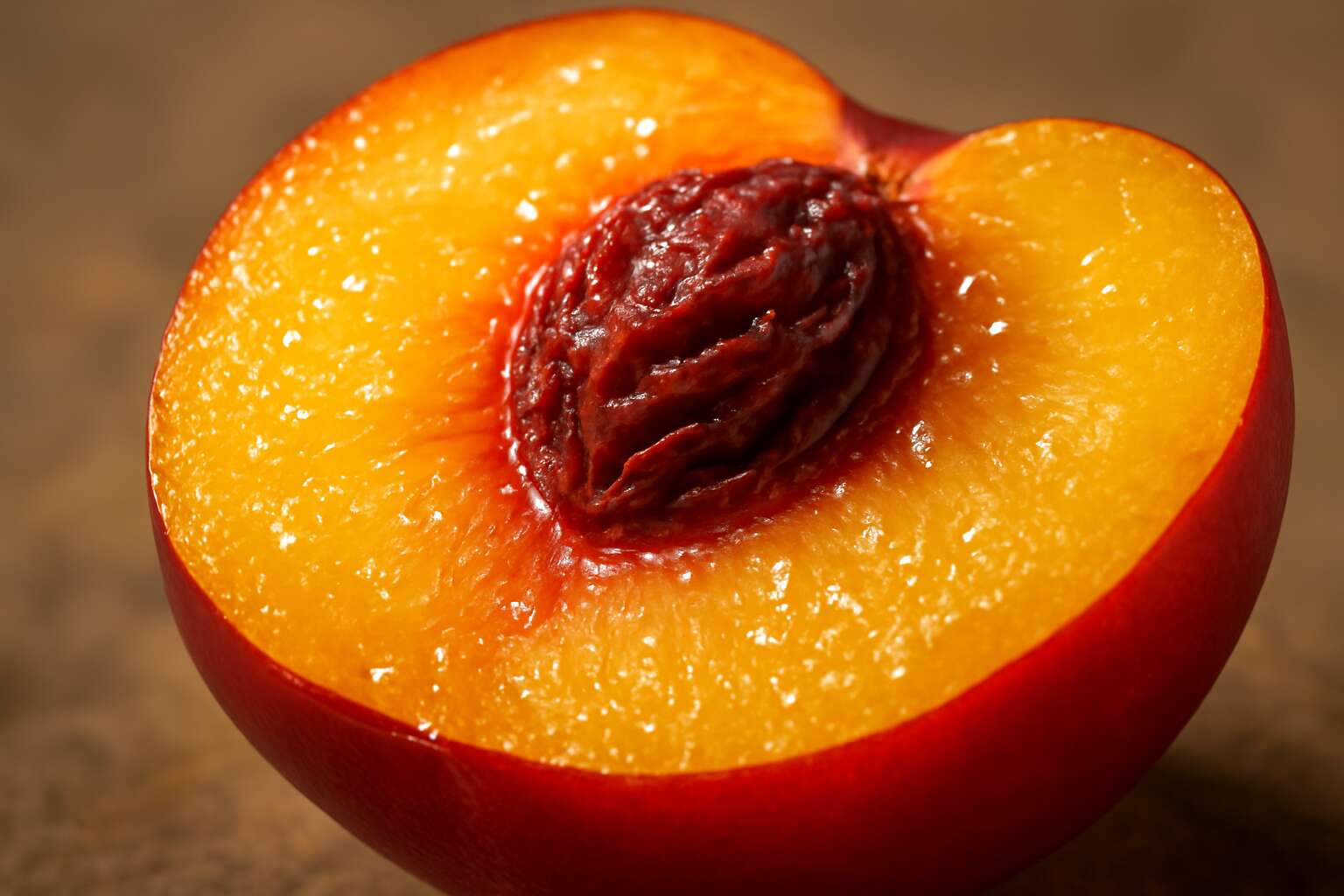
Sugar in Nectarines: Understanding Sugar Content, Variability, and Impact
Section 1: Understanding sugar in nectarines
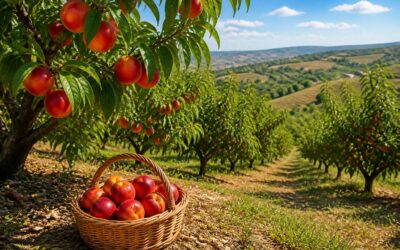
Across South Africa’s sun-drenched orchards, nectarines hide a secret sweetness that shifts with the season. The sugar in nectarines isn’t fixed; it climbs as the fruit ripens and basks in late-summer sun. At peak, ripe nectarines often hover around 10 to 12% sugar by weight, a note of honey in every bite.
Its journey from crisp to lush sweetness is a dance of chemistry. Section 1: Understanding sugar in nectarines reveals how ripeness and sunlight sculpt sweetness.
Several levers shape sugar in nectarines:
- Variety traits and inherent sweetness
- Ripeness at harvest and maturity stage
- Growing conditions, microclimate, and sunlight exposure
When tasted, the sugar in nectarines reveals bright, sun-warmed notes—honeyed citrus and a whisper of almond. For tasters and culinary minds, this variability becomes the art of balance, guiding how fruit teams with dairy, herbs, or spice.
Section 2: Measuring sugar content and interpreting numbers
Sweetness isn’t a fixed stamp; it’s a sun-warmed forecast you can quantify. As one SA grower quips, sugar in nectarines is a sunbeam you can bottle—if you know how to read it. Section 2 dives into measuring sugar content and interpreting numbers, separating perception from the palate-friendly truth that sugars change with ripeness and climate.
Tools like refractometers turn juicy sunshine into numbers. A reading, expressed as Brix, hints at soluble sugar concentration, but context matters.
- Brix reflects the juice’s sugar concentration, not the flesh.
- Temperature and sampling method can tilt readings.
- Variety, harvest stage, and microclimate shape the final numbers.
Interpreting numbers isn’t about one perfect value; it’s about the story behind the digits—seasonal variability, soil, sun. The sweetness narrative travels from grove to table, guided by measurement and mood.
Section 3: Factors that influence sugar levels in nectarines
Sunlit South Africa, where orchards glow like embers, has taught me that the sugar in nectarines is a mood, not a fixed score—sweetness can swing by as much as 2 Brix across a single day. A dawn breeze, a warm afternoon, or a shy cloud can nudge sweetness up by a point or two, while the fruit perfumes the air with a confident, sun-kissed promise.
Several forces shape that mood from grove to table.
- Climate and sunlight patterns
- Harvest timing and cultivar choice
- Soil minerals and moisture availability
- Irrigation, stress, and microclimate
- Post-harvest handling within the sun window
These factors weave a narrative that flavors the marketplace and the palate, translating sun warmth into a story of sweetness. In South Africa’s markets, the balance between ripeness, climate, and care reveals how deeply the sugar in nectarines can vary, yet always carries that unmistakable orchard glow.
Section 4: Practical guidance: health, diet, and culinary uses
In practical terms, the sugar in nectarines isn’t a fixed score but a mood that brightens a morning bowl and tempers a dessert at dusk. For South African kitchens chasing balance, that sweetness plays nicely with fiber and hydration, delivering satisfaction without drama!
Section 4 looks at health, diet, and culinary uses through a clear, practical lens, celebrating fruit sweetness as a partner in meals rather than a standalone indulgence.
- Flavor-friendly sweetness that complements yogurt, oats, and salads
- Natural harmony with light cheeses and savory glazes
- Versatile note in sauces and jams that celebrate fruit’s brightness
Think of nectarines as a light nutritional companion, where their balanced sweetness can lift a plate without overwhelming it.


0 Comments