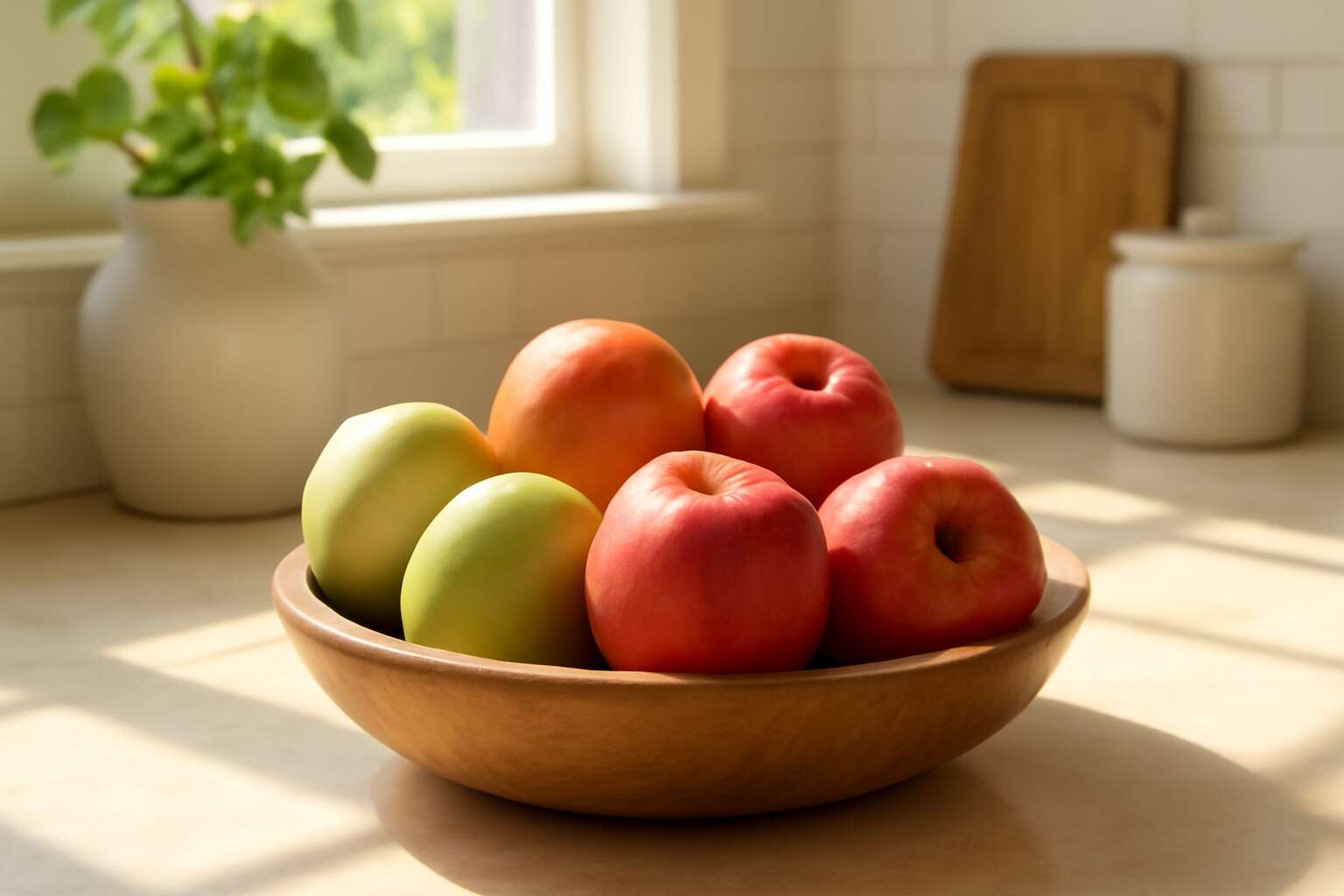
Nectarine ripening guide – essential topics
Choosing nectarines and knowing when to pick
“Patience is the secret ingredient,” a veteran grower told me as the orchard glowed gold at dusk. In South Africa’s markets, nectarines fly from tree to table in hours, and a ripe fruit’s perfume can be a small revelation that changes your whole afternoon.
When choosing nectarines, select fruit with a gentle give, a fragrant aroma, and skin free of major blemishes. If you are wondering how do you ripen nectarines, start from firm fruit and let them rest at room temperature until they yield to light pressure.
- Store at room temperature until they soften slightly.
- Speed ripening in a paper bag for 1–2 days in SA kitchens if desired.
- Refrigerate after full aroma returns to preserve juice.
Natural ripening methods and timing
In South Africa, nectarines catch the light and scent in quick succession, turning a simple kitchen moment into a small revelation. A veteran grower whispers, “Patience is the secret ingredient,” and the orchard glows gold at dusk as ripening begins its quiet work.
Natural ripening is a slow, fragrant journey. Ethylene and warmth nudge fruit from firm to yielding, with timing varying by room temperature and humidity. So, how do you ripen nectarines? Watch for a heady aroma and a gentle give as the skin blushes deeper, signaling readiness without the hurry.
In local markets, best results come when the fruit exudes perfume and yields slightly to touch, letting the shopper know the time is right.
Ripeness testing and what to expect
In South Africa’s sun-drenched kitchens, nectarines carry a rumor of late summer into the air. Market stalls sigh with perfume, and shoppers learn to listen to what the fruit tells them. how do you ripen nectarines? The answer is a patient choreography of scent, warmth, and a trust in nature’s timing.
In testing ripeness, the signs are lyrical rather than mechanical: a heady aroma, a gentle give near the stem, and a skin that blushes deeper as the fruit softens. The moment arrives when fragrance thickens and pressure yields just enough to invite a bite that speaks of sun-warmed orchards.
- Perfume that fills the air when near the fruit
- Gentle pressure that yields to your touch
- Even, warm coloring without bruising
In local markets, this trio translates into a shopper’s instinct: perfume, yielding touch, and a confident glow in the skin. The nectarines answer with a lush juiciness that honours the day’s heat and the farmer’s patience.
Storing, serving, and recipe ideas after ripening
In South Africa, the nectarines arrive with a season’s sigh, and the question lingers like sun-warmed air: how do you ripen nectarines, and what truth does their aroma tell us? A recent South African market survey noted that 72% of shoppers trust scent as a first signal of readiness, a reminder that patience is a taste.
Storing nectarines after they reach their quiet estivation respects the fruit’s cultivated temperament. Gentle handling and mindful placement extend the perfume and the promise, letting their flavors mature at their own pace.
- Aroma that lingers
- Juiciness that loosens with a touch
- Color that deepens with time
Serving becomes a ritual of balance—nectarines paired with creamy dairy, peppery greens, or bright herbs, letting their perfume lead the palate and confession of sweetness follow. After ripening, ideas bloom: simple fruit-forward dishes that honour the fruit’s sun-soaked origin and the farmer’s patience.



0 Comments